
Tô Ngọc Vân
Vietnamese painter who taught resistance art and died at Điện Biên Phủ.

via Wikipedia: Tô Ngọc Vân · see source
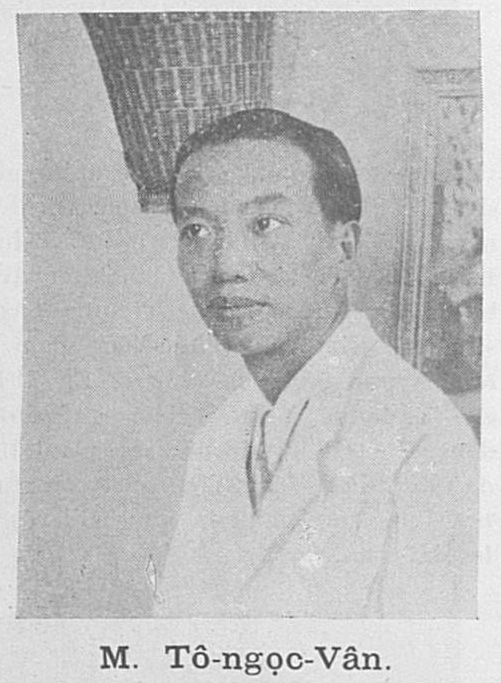
Tô Ngọc Vân (蘇玉雲, 15 December 1906 or 1908 – 17 June 1954), also known as Tô Tử, was a Vietnamese painter. Several of his paintings are displayed at the Vietnam National Museum of Fine Arts. He taught a resistance art class in the northern zone during the war with the French and died as the result of injuries received at the Battle of Điện Biên Phủ. He was among the first recipients of the Ho Chi Minh Prize in 1996.
- born
- 15 December 1906 or 1908
- died
- 17 June 1954
- field
- Painting, teaching, cartooning, art criticism
- nationality
- Vietnamese
- known_for
- Resistance art class, influence on a generation of Vietnamese artists, Ho Chi Mi
Verified Timeline
Lore & Background
Tô Ngọc Vân was born on December 15, 1906 (some sources record 1908) in Xuan Cau village, Van Giang district, Hung Yen province. He skipped school during his third year of high school to follow his dream of becoming an artist. In 1926, he passed the entrance exam for the Vietnam University of Fine Arts during the first generation of the school and graduated two years later. He worked as a painting teacher at Bưởi school, professor at the École des Beaux-Arts de l’Indochine, and principal of the Việt Bắc Art School. He contributed cartoons on current events, social issues, and everyday life to the magazines of Tự Lực văn đoàn (Self-Strengthening literary group), and also wrote as an art critic for the newspapers Phong Hóa, Ngày Nay, and Thanh Nghị.
Reader's Guide
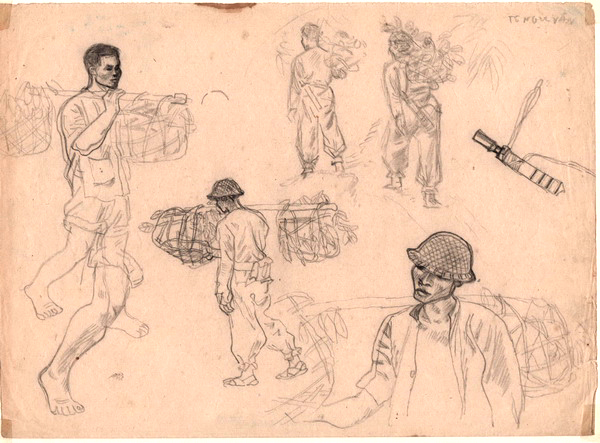
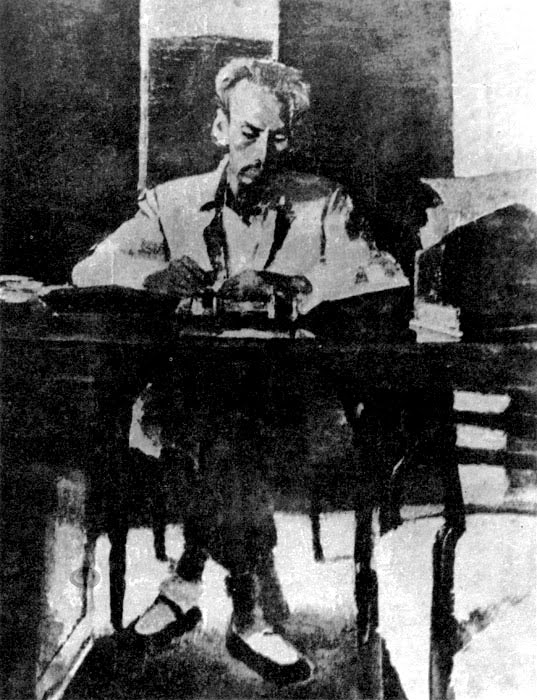
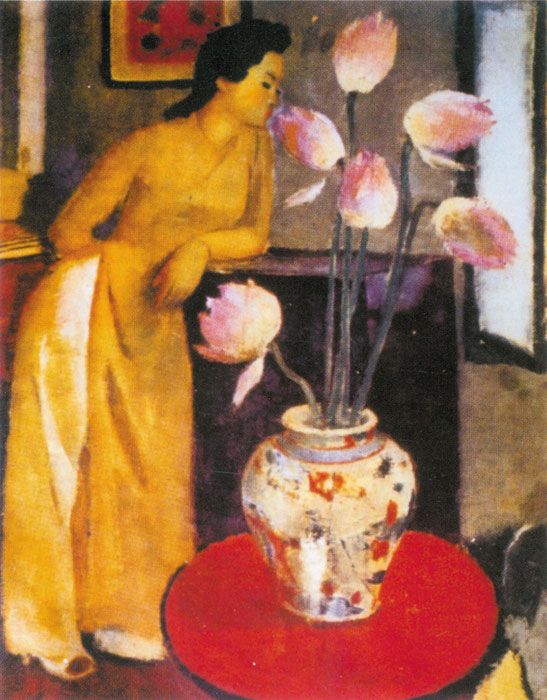
Tô Ngọc Vân's work splits into two periods. Before 1945, he painted oil works like *The Girl by the Lotus* (1944), *Girl by the lily* (1943), *Two Girls and a Baby* (1944), *A young woman sitting by a picture of a tam da* (1942), *Noon* (1936), and *Flower Side* (1942). After 1945, he produced *Ho Chi Minh worked in the North of Vietnam* (1946, oil), *Overnight on the hill* (1948, lacquer), *The real buffalo* (1954, watercolor sketch), *Two soldiers* (1949, watercolor), *Resting on the Hill* (1948), and hundreds of resistance sketches. He taught a resistance art class in the northern zone during the war with the French and died from injuries at the Battle of Điện Biên Phủ. Posthumously, he received the first Ho Chi Minh Prize for literature and art in 1996. His name is given to streets in Hanoi, Ho Chi Minh City, Thu Duc, Da Nang, Hung Yen, Hai Duong, Yen Bai, Da Lat, Vung Tau, and to a crater on Mercury.
Did You Know?
- Tô Ngọc Vân skipped school during his third year of high school to pursue art.
- He passed the entrance exam for the Vietnam University of Fine Arts in 1926 as part of the school's first generation.
- He contributed cartoons on current events, social issues, and everyday life to the magazines of the Tự Lực văn đoàn (Self-Strengthening literary group).
- He died from injuries received at the Battle of Điện Biên Phủ on 17 June 1954.
- A crater on Mercury is named To Ngoc Van in his honor.
Early Life and the Road to Art
Tô Ngọc Vân, also known by the pen name Tô Tử, entered the world on 15 December 1906 in the modest village of Xuan Cau, located in Van Giang district of Hung Yen province, though some records place his birth in 1908. Growing up in poverty, he made a defining choice during his third year of high school: he abandoned formal schooling to chase his ambition of becoming a painter. That determination paid off in 1926, when he successfully passed the entrance examination at the Vietnam University of Fine Arts, joining its very first cohort of students. He completed his studies just two years later, a remarkably swift progression that signaled both his talent and his relentless drive. His early artistic range was wide; he traveled to capture scenes in Bangkok, Huế, and Phnom Penh, translating diverse landscapes into his canvases. Beyond painting, he also worked as a writer and art critic in the Vietnamese art press, establishing himself early as a multifaceted cultural voice.
A Canvas That Shifted with the Times
Before 1945, Vân's palette was dominated by intimate, lyrical oil paintings of women and domestic life. Works such as Girl by the Lily (1943), The Girl by the Lotus (1944), Two Girls and a Baby (1944), and Noon (1936) reveal a painter deeply attuned to quiet, contemplative moments. He also explored decorative subjects, as seen in Flower Side (1942) and a 1942 composition of a young woman seated beside a tam da portrait. After the Japanese surrender and the outbreak of the resistance against France, his subject matter transformed dramatically. He turned to lacquer, watercolor, and oil to document the struggle: Ho Chi Minh worked in the North (1946), Two Soldiers (1949), Overnight on the Hill (1948), and Resting on the Hill (1948) all belong to this period. By 1954, his watercolor sketch The Real Buffalo captured rural life amid wartime. In total, he produced hundreds of resistance sketches, a body of work that anchored his reputation as both an aesthetician and a chronicler of his nation's fight for independence.
Teacher, Cartoonist, and Cultural Mentor
Vân's influence extended far beyond his own canvases. He served as a painting instructor at Bưởi school, held a professorship at the École des Beaux-Arts de l'Indochine, and ultimately became principal of the Việt Bắc Art School, where he shaped the artistic sensibilities of an entire generation of Vietnamese painters. His commitment to education did not stop in the classroom; during the war against France he led a resistance art class in the northern zone, ensuring that creative expression remained a tool of national solidarity. In parallel, he was a prolific contributor to the press. He drew cartoons on current events, social issues, and everyday life for the magazines of the Tự Lực văn đoàn literary group, and he collaborated with the newspapers Phong Hóa, Ngày Nay, and Thanh Nghị. He also wrote as an art critic, offering commentary that helped shape public discourse on Vietnamese visual culture. This combination of teaching, illustration, and criticism made him one of the most widely visible cultural figures of his era.
Death at Điện Biên Phủ and Enduring Legacy
Vân's life was cut short on 17 June 1954, when he succumbed to injuries sustained at the Battle of Điện Biên Phủ, the decisive engagement of the First Indochina War. His death transformed him into a symbol of the artist who gave his life for the nation. In recognition of his contributions, he received the first prize at the National Fine Arts Exhibition in Hanoi in November 1954, a Class Independent Medal, a Second Class Resistance Medal, and medals for his service to Vietnamese literature, art, and fine arts. In 1952, Ho Chi Minh personally sent him a letter of praise, and in 1954 presented him with a shirt. In 1996, he became one of the first recipients of the Ho Chi Minh Prize for literature and art. His name now adorns streets in Hanoi, Ho Chi Minh City, Da Nang, Hung Yen, Hai Duong, Yen Bai, Da Lat, Vung Tau, and Thu Duc. Perhaps most remarkably, a crater on Mercury bears his name, and several of his paintings remain on display at the Vietnam National Museum of Fine Arts.
Gallery
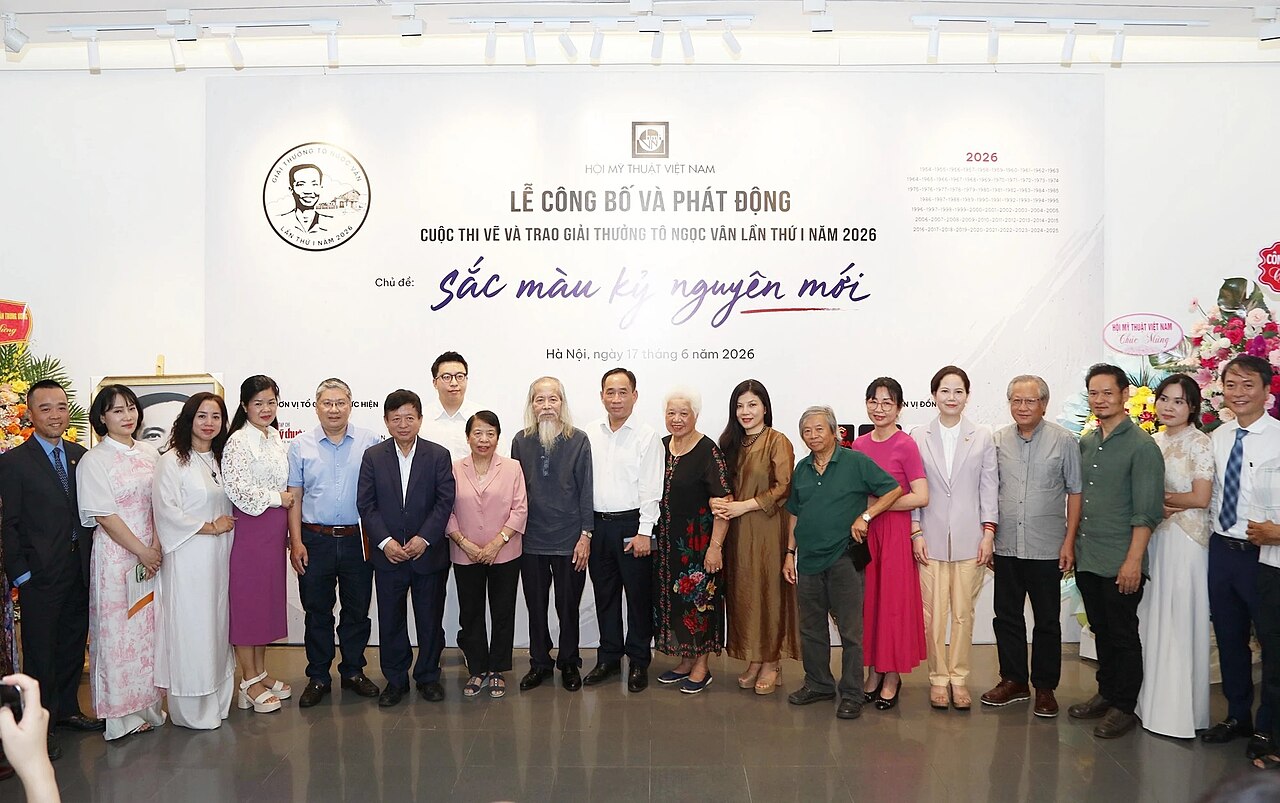
Frequently Asked Questions
Who is Tô Ngọc Vân?
Tô Ngọc Vân (1906 or 1908–1954), also called Tô Tử, was a Vietnamese painter, cartoonist, and art critic who helped shape modern Vietnamese visual culture. He is best remembered for his distinctive modernist canvases and for his wartime teaching in the northern zone.
What did Tô Ngọc Vân do during the French colonial war?
He led a resistance art class in Vietnam's northern zone, turning visual art into a tool of national mobilization against French forces. That teaching role made him a central figure in wartime cultural production in the north.
How did Tô Ngọc Vân die?
He was killed on 17 June 1954 from wounds received at the Battle of Điện Biên Phủ, a decisive engagement of the First Indochina War. Dying at the front rather than in a studio cemented his image as the artist-soldier in Vietnamese memory.
Why is Tô Ngọc Vân considered important in Vietnamese art history?
His pedagogy and modernist style influenced a whole generation of Vietnamese painters who came after him. In 1996 he was among the very first recipients of the Ho Chi Minh Prize, the state's top honor for culture and the arts.
Where can I see Tô Ngọc Vân's paintings today?
Several of his works are on permanent display at the Vietnam National Museum of Fine Arts in Hanoi. There you can view his canvases alongside other landmark pieces of twentieth-century Vietnamese painting.
More in Painters & Visual Artists 1-23
Spotted an error? Know more?
This is a living reference — every entry is fact-audited, and reader corrections feed straight into our audit queue. Suggest an edit · See this site's audit record