
William Holman Hunt
English painter and co-founder of the Pre-Raphaelite Brotherhood.

via Wikipedia: William Holman Hunt · see source
William Holman Hunt (2 April 1827 – 7 September 1910) was an English painter and one of the founders of the Pre-Raphaelite Brotherhood. His paintings were notable for their great attention to detail, vivid colour, and elaborate symbolism. These features were influenced by the writings of John Ruskin and Thomas Carlyle, according to whom the world itself should be read as a system of visual signs. For Hunt, it was the duty of the artist to reveal the correspondence between sign and fact. Of all the members of the Pre-Raphaelite Brotherhood, Hunt remained most true to their ideals throughout his career. He was always keen to maximise the popular appeal and public visibility of his works.
- born
- 2 April 1827, Cheapside, City of London
- died
- 7 September 1910, buried at St Paul's Cathedral, London
- field
- Painting
- nationality
- English
- known_for
- Co-founder of the Pre-Raphaelite Brotherhood; religious paintings such as The Li
Verified Timeline
Lore & Background
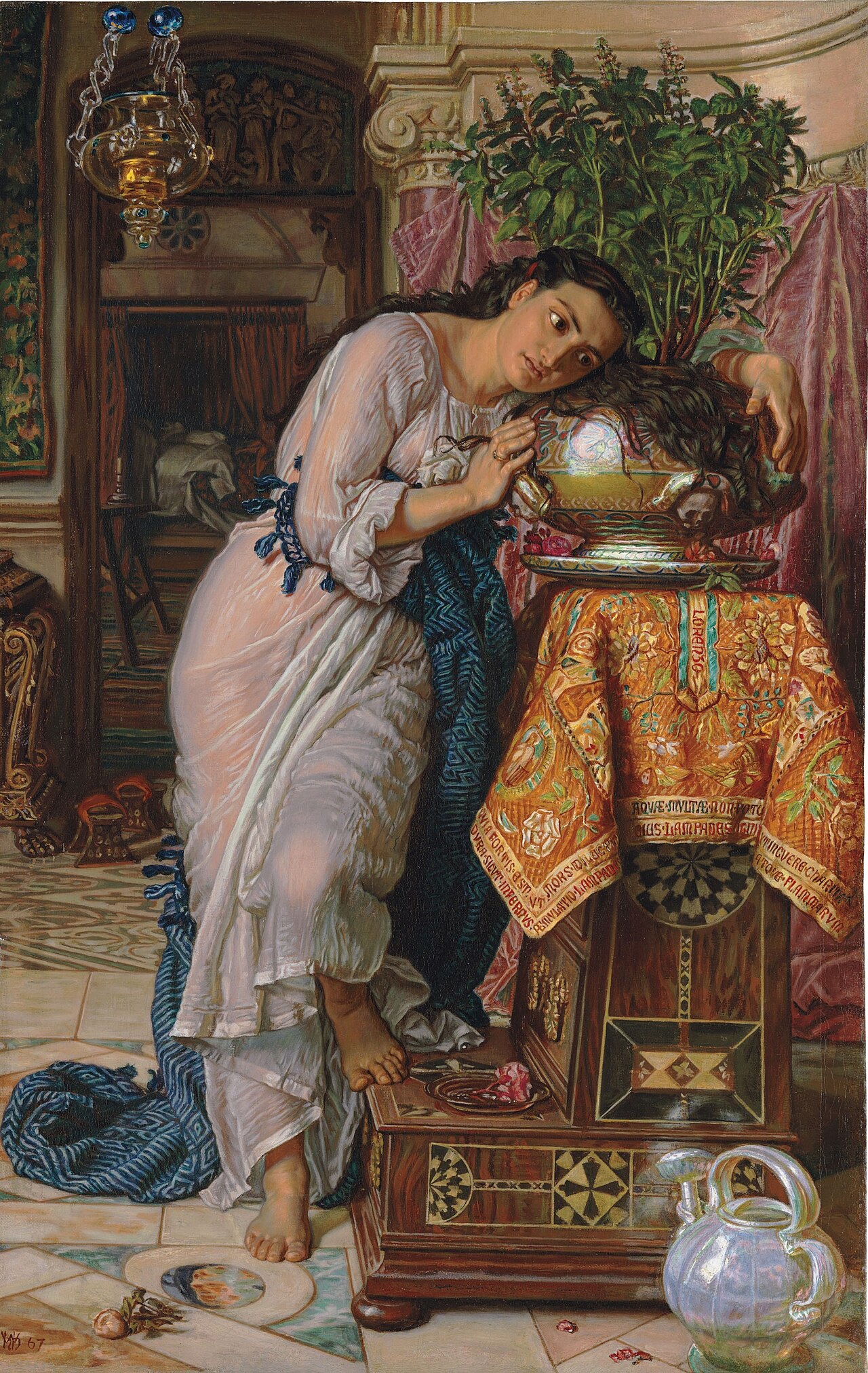
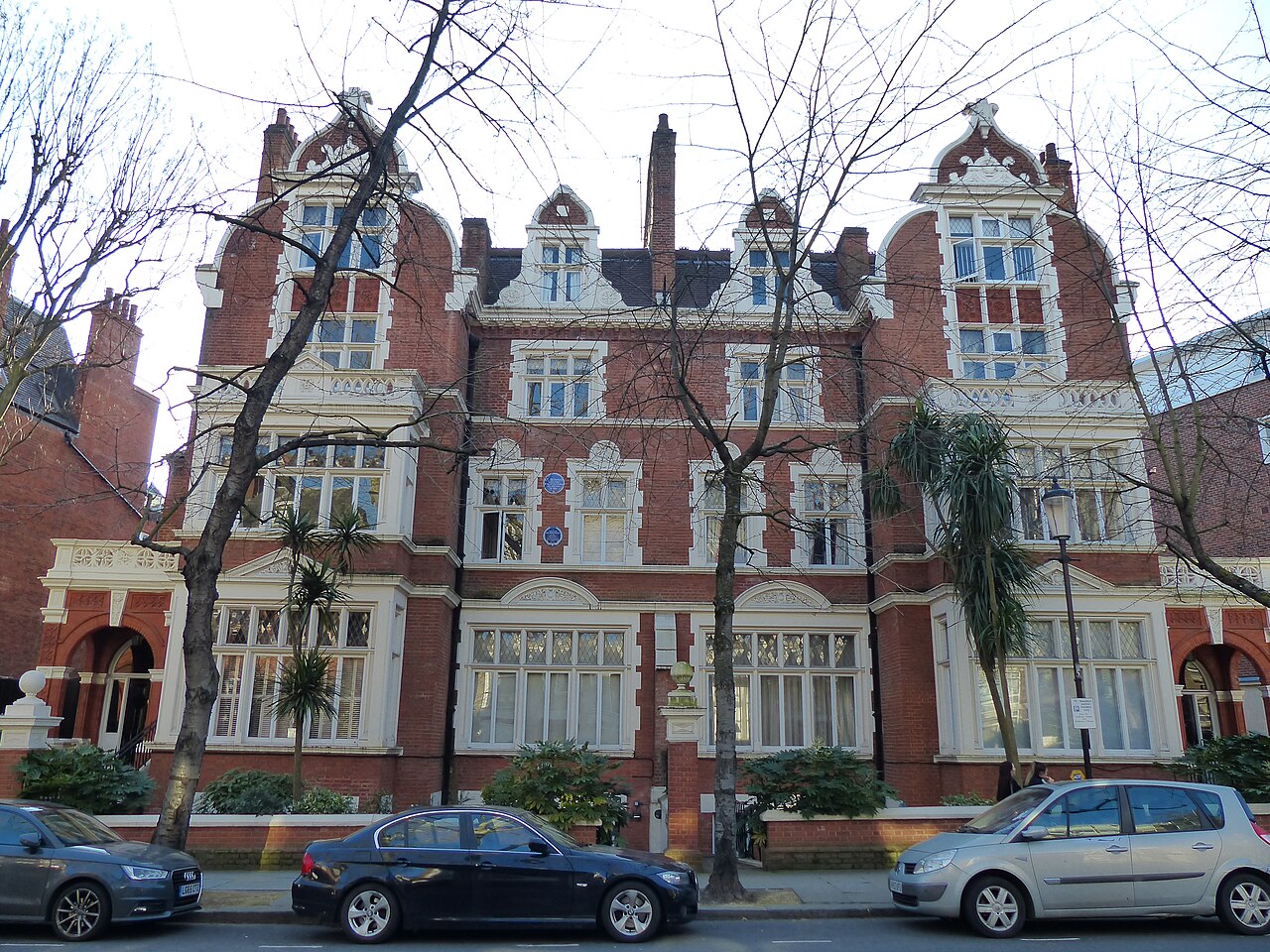
William Holman Hunt was born in Cheapside, City of London, to warehouse manager William Hunt and Sarah, daughter of William Hobman of Rotherhithe. He adopted the name 'Holman' instead of 'Hobman' when he discovered a clerk had misspelled it after his baptism at Saint Mary the Virgin, Ewell. After initially being rejected, he entered the Royal Academy art schools and rebelled against the influence of its founder Sir Joshua Reynolds. In 1848, after meeting the poet and artist Dante Gabriel Rossetti, he formed the Pre-Raphaelite movement. Along with John Everett Millais they sought to revitalise art by emphasising the detailed observation of the natural world in a spirit of quasi-religious devotion to truth. Hunt married twice. After a failed engagement to his model Annie Miller, in 1861 he married Fanny Waugh, who later modelled for the figure of Isabella. When she died in childbirth in Italy at the end of 1866, he sculpted her tomb at Fiesole, having it brought down to the English Cemetery in Florence beside the tomb of Elizabeth Barrett Browning. He paid for a communion chalice inscribed in memory of his wife at St. Mark's Church in Florence. His second wife, Edith, was Fanny's youngest sister. Because it was then illegal in Great Britain to marry one's deceased wife's sister, they travelled abroad and married at Neuchâtel in November 1875, leading to grave conflict with family, notably fellow Pre-Raphaelite Thomas Woolner. Hunt's works were not initially successful and were widely attacked for alleged clumsiness and ugliness. He achieved early note for intensely naturalistic scenes like The Hireling Shepherd and The Awakening Conscience, but became famous for religious paintings, initially The Light of the World (1851–1853), now in the chapel at Keble College, Oxford; a later version (1900) toured the world and now hangs in St Paul's Cathedral, London. In the mid-1850s he travelled to the Holy Land in search of accurate topographical and ethnographical material for further religious works, to 'make more tangible Jesus Christ's history and teaching'; there he painted The Scapegoat, The Finding of the Saviour in the Temple, and The Shadow of Death, along with many landscapes. He eventually built his own house in Jerusalem. He had to abandon painting because failing eyesight meant he could not achieve the quality he wanted; his last major works were completed with the help of his assistant, Edward Robert Hughes. He lived and had a studio at 18 Melbury Road in Holland Park, West London, from 1903 until his death on 7 September 1910, and was buried at St Paul's Cathedral in London.
Reader's Guide
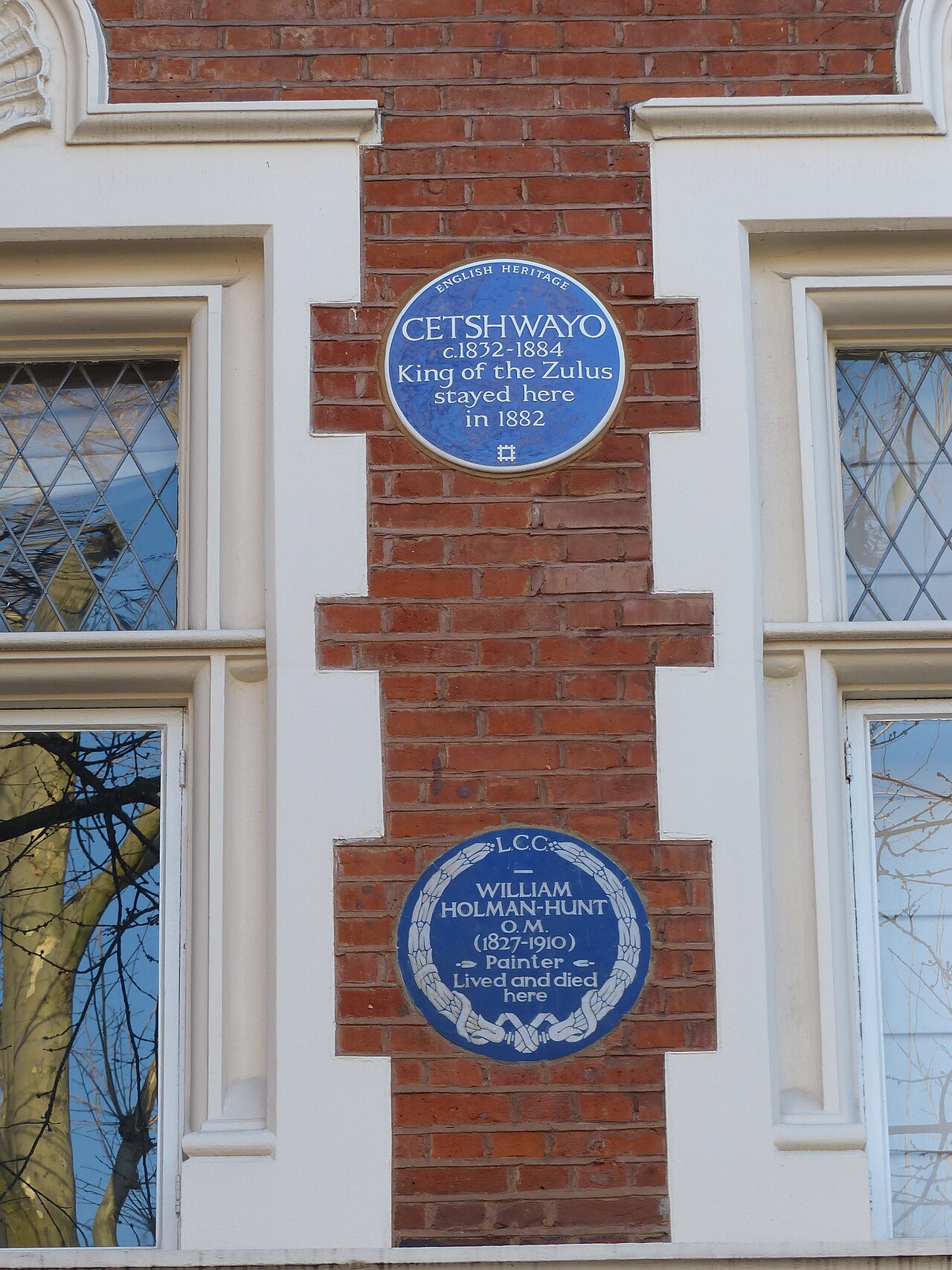
William Holman Hunt's significance rests on his role as a founder of the Pre-Raphaelite Brotherhood and his lifelong adherence to its ideals of detailed naturalism and symbolic truth. His paintings, such as The Light of the World and The Scapegoat, exemplify his belief that the artist must reveal the correspondence between visual signs and fact, a concept drawn from John Ruskin and Thomas Carlyle. Hunt's religious works, created after travels to the Holy Land, sought to make tangible the history and teaching of Jesus Christ. He had many pupils, including Robert Braithwaite Martineau. His personal life was the subject of Diana Holman-Hunt's book My Grandfather, his Life and Loves. The Pre-Raphaelite Brotherhood was depicted in two BBC period dramas: The Love School (1975), with Bernard Lloyd as Hunt, and Desperate Romantics, with Rafe Spall playing Hunt. A blue plaque at 18 Melbury Road, added in 1923, commemorates him. Facing Mar Elias Monastery is a stone bench erected by Hunt's wife, inscribed with biblical verses in Hebrew, Greek, Arabic and English, at the spot where he painted some of his major works.
Did You Know?
- Hunt adopted the name 'Holman' instead of 'Hobman' after a clerk misspelled it at his baptism.
- He sculpted his first wife Fanny's tomb at Fiesole and had it placed in the English Cemetery in Florence beside Elizabeth Barrett Browning's tomb.
- His second marriage to his deceased wife's sister Edith was illegal in Great Britain, so they married at Neuchâtel in Switzerland in November 1875.
- Hunt's later version of The Light of the World (1900) toured the world before finding its home at St Paul's Cathedral, London.
- A stone bench erected by Hunt's wife at the spot where he painted major works is inscribed with biblical verses in Hebrew, Greek, Arabic and English.
Artistic Conviction and the Brotherhood
William Holman Hunt's artistic identity was forged in direct opposition to the academic establishment. After being initially turned away from the Royal Academy schools, he eventually gained entry but chafed against the legacy of Sir Joshua Reynolds, whose rationalist approach he found spiritually hollow. In 1848, following his encounter with Dante Gabriel Rossetti, Hunt joined forces with John Everett Millais to establish the Pre-Raphaelite Brotherhood, a collective dedicated to reviving what they saw as the sincere, quasi-religious devotion to truth found in medieval art. Their manifesto was essentially a rejection of the Renaissance rationalism they associated with Raphael. Hunt's canvases became exercises in meticulous naturalism, saturated colour, and layered symbolism, all drawn from the philosophical writings of John Ruskin and Thomas Carlyle, who argued that the visible world operates as a coded language of signs. For Hunt, the painter's sacred obligation was to decode that language and make the hidden correspondence between symbol and reality legible to the viewer. Remarkably, of all the Brotherhood's members, Hunt never abandoned these principles, persisting in their pursuit for over six decades while also working tirelessly to ensure his paintings reached the broadest possible public audience.
Sacred Vocation and the Holy Land
If Hunt's early career earned him notice through sharply observed scenes of contemporary English life—The Hireling Shepherd and The Awakening Conscience being prime examples—it was his religious paintings that secured his enduring fame. The Light of the World, completed between 1851 and 1853, became his signature image; the original now hangs in the chapel at Keble College, Oxford, while a monumental 1900 reworking toured the globe before finding its permanent home in St Paul's Cathedral, London. Driven by what he described as a desire to make the history and teaching of Christ more tangible, Hunt journeyed to the Holy Land in the mid-1850s to study its topography and the customs of its people firsthand. There he produced The Scapegoat, The Finding of the Saviour in the Temple, and The Shadow of Death, alongside numerous regional landscapes. His commitment to the region was so deep that he eventually constructed his own residence in Jerusalem. Later religious works, including The Triumph of the Innocents (1876–1887, now in Liverpool's Walker Art Gallery) and The Miracle of the Holy Fire (1899), extended this sacred programme well into his final decades.
Love, Loss, and Family Rupture
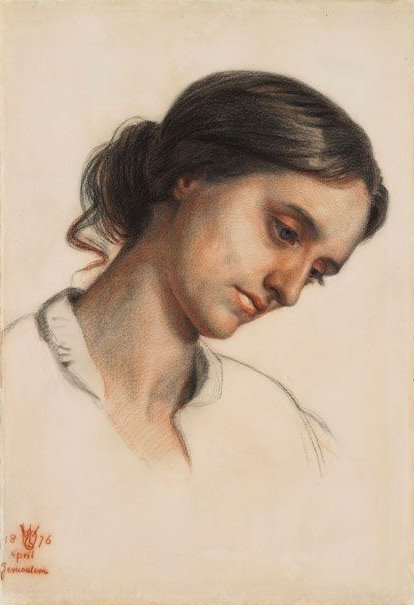
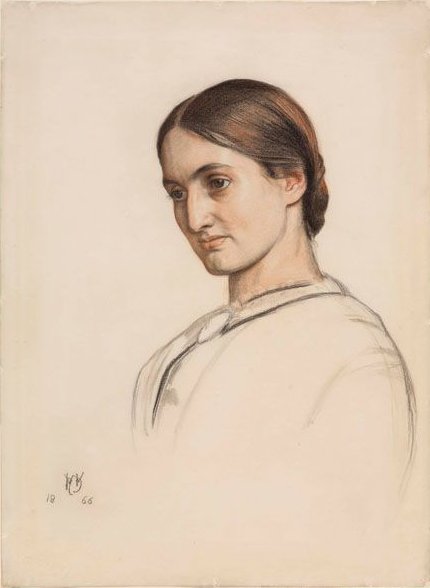
Hunt's private life was marked by intense devotion and bitter rupture. After a failed engagement to his model Annie Miller, he married Fanny Waugh in 1861; she would later pose for the figure of Isabella in his painting of that name. Their happiness was cut short when Fanny died in childbirth in Italy at the close of 1866. Grief-stricken, Hunt sculpted her tomb at Fiesole and had it transported to the English Cemetery in Florence, placed beside the resting place of Elizabeth Barrett Browning. He also funded a communion chalice at St. Mark's Church in Florence, inscribed in her memory. In 1875, Hunt married Fanny's youngest sister, Edith. Because English law still prohibited a man from wedging his late wife's sister, the couple crossed to Neuchâtel in francophone Switzerland to exchange vows. This union ignited a fierce family feud, most painfully with Thomas Woolner, a former Brotherhood colleague who had once courted Fanny himself and had married her middle sister, Alice. Decades later, Edith erected a stone bench facing Mar Elias Monastery, inscribed with biblical verses in Hebrew, Greek, Arabic, and English, marking the spot where her husband had painted some of his most important works.
Decline, Recognition, and Enduring Memory
In his final years, Hunt was forced to relinquish the brush. Progressive deterioration of his eyesight made it impossible for him to achieve the level of finish he demanded of himself, and his last major canvases—including the grand version of The Light of the World destined for St Paul's Cathedral—were completed with the steady hand of his assistant Edward Robert Hughes. Rather than fade quietly, Hunt turned to the written word. His 1905 autobiography and a body of late essays reveal a man determined to shape how future generations would interpret his life's work. That same year, King Edward VII elevated him to the Order of Merit, a formal state acknowledgement of his cultural significance. From 1903 until his death on 7 September 1910, he maintained his studio at 18 Melbury Road in Holland Park, West London; a blue plaque commemorating him was affixed there in 1923. He was buried in St Paul's Cathedral. His story has since been retold in Diana Holman-Hunt's memoir My Grandfather, his Life and Loves, and on screen in the BBC dramas The Love School (1975) and Desperate Romantics, where the character has been portrayed by Bernard Lloyd and Rafe Spall respectively.
Gallery
Frequently Asked Questions
Who is William Holman Hunt?
William Holman Hunt was an English painter born in 1827 in the City of London who became one of the most dedicated figures in the Pre-Raphaelite movement. He is widely recognized for his religious paintings and his unwavering commitment to symbolic, detail-rich art.
What is William Holman Hunt most famous for?
Hunt is best known for co-founding the Pre-Raphaelite Brotherhood and for works such as The Light of the World, which pair intense religious subject matter with extraordinary visual precision. His canvases are celebrated for their vivid colour, meticulous detail, and layered symbolism.
What role did William Holman Hunt play in the Pre-Raphaelite Brotherhood?
Hunt was a co-founder of the Pre-Raphaelite Brotherhood and remained its most steadfast adherent to the group's original ideals throughout his entire career. While other members gradually drifted away from those principles, Hunt continued to paint in that style until his death.
What artistic style is William Holman Hunt associated with?
Hunt's paintings are defined by painstaking detail, richly saturated colour, and elaborate symbolic content, reflecting the influence of thinkers like John Ruskin and Thomas Carlyle. He believed an artist's duty was to make visible the hidden connections between symbols and observable reality.
When and where did William Holman Hunt die?
Hunt passed away on 7 September 1910 and was buried at St Paul's Cathedral in London. He lived to the age of 83, having spent his entire career as a practicing painter in England.
More in Painters & Visual Artists 1-23
Spotted an error? Know more?
This is a living reference — every entry is fact-audited, and reader corrections feed straight into our audit queue. Suggest an edit · See this site's audit record