
Viktor Vasnetsov
Russian painter and graphic artist, specialist in medieval Moscow scenes.

via Wikipedia: Apollinary Vasnetsov · see source
Viktor Mikhaylovich Vasnetsov (15 May [O.S. He specialised in scenes from the medieval history of Moscow. Vasnetsov did not receive a formal artistic education. He had studied under his older brother, Viktor, also a famous painter. From 1883, he along with his brother lived and worked in Abramtsevo where he fell under the influence of Vasily Polenov. In 1898–1899, he travelled across Europe. In addition to epic landscapes of Russian nature, Apollinary Vasnetsov created his own genre of historical landscape reconstruction on the basis of historical and archaeological data. His paintings present a visual picture of medieval Moscow. He was a member of the Association of Travelling Art Exhibitions (Peredvizhniki) from 1899, and an academician from 1900. He became one of the founders and supervisors of the Union of Russian Artists.
- born
- 6 August [O.S. 25 July] 1856
- died
- 23 January 1933
- field
- Painting, graphic art
- nationality
- Russian
- known_for
- Scenes from the medieval history of Moscow; historical landscape reconstruction
Verified Timeline
Lore & Background
Apollinary Vasnetsov was born on 6 August [O.S. 25 July] 1856 and died on 23 January 1933. He did not receive a formal artistic education. Instead, he studied under his older brother, Viktor, also a famous painter. From 1883, he lived and worked with his brother in Abramtsevo, where he fell under the influence of Vasily Polenov. In 1898–1899, he travelled across Europe. He created a genre of historical landscape reconstruction based on historical and archaeological data, producing visual pictures of medieval Moscow. He was a member of the Association of Travelling Art Exhibitions (Peredvizhniki) from 1899, and an academician from 1900. He became one of the founders and supervisors of the Union of Russian Artists. Vasnetsov had three elder and two younger brothers; his only sister died at four months. His father, who taught him to love nature and the life of birds and animals, died in 1870, a terrible blow. In 1890, he journeyed across the North of the Russian Empire, recording views of Siberia and the Urals, including paintings such as *Forest on the Slopes of Mount Blagodat, Mid-Urals* (1890) and *Boreal forest in the Urals* (1890). In 1895, he visited the Caucasus, climbing the glaciers of Mt. Elbrus, visiting Tiflis, and living in the Darial Gorge, producing sketches like *View of Elbrus from Bermomut* (1895) and *Elbrus before Sunrise* (1897). At the beginning of 1920, the Committee of Archaeology invited Vasnetsov and other painters, including Vikentii Trofimov, to draw the old places of Voronezh.
Reader's Guide
Apollinary Vasnetsov is significant for creating a unique genre of historical landscape reconstruction, using historical and archaeological data to visually depict medieval Moscow. His membership in the Peredvizhniki from 1899 and his role as a founder and supervisor of the Union of Russian Artists mark his influence. His travels across the North of the Russian Empire in 1890 produced specific works like *Mountain lake in the Urals* (1892) and *The Steppes of Orenburg* (1895). His 1895 Caucasus journey resulted in sketches such as *Red Cliffs in Kislovodsk* (1896) and *Darial* (1897). In 1898–1899, he travelled across Europe, visiting France and Italy to study works of famous masters. In 1920, he was invited by the Committee of Archaeology to draw old places of Voronezh. A minor planet, 3586 Vasnetsov, discovered by Soviet astronomer Lyudmila Zhuravlyova in 1978, is named after Viktor Vasnetsov and Apollinary Vasnetsov.
Did You Know?
- Apollinary Vasnetsov did not receive a formal artistic education; he studied under his older brother, Viktor.
- From 1883, he lived and worked in Abramtsevo, where he fell under the influence of Vasily Polenov.
- He created his own genre of historical landscape reconstruction based on historical and archaeological data.
- In 1895, he climbed the glaciers of Mt. Elbrus and lived in the Darial Gorge.
- A minor planet, 3586 Vasnetsov, discovered in 1978, is named after both Viktor and Apollinary Vasnetsov.
Roots in a Painter's Household
Apollinary Vasnetsov entered the world on 6 August 1856 into a family where art was already a living tradition. He was the younger of five brothers, and his only sister passed away at just four months old — a quiet tragedy that marked the household early on. His father proved to be a formative presence, instilling in his sons a deep reverence for the natural world and encouraging them to observe birds and animals with an artist's eye. This grounding in nature would echo through Apollinary's later work. The family's artistic trajectory was shaped further by the loss of their father in 1870, a devastating blow for the young Apollinary. Without access to a formal art academy, he instead apprenticed himself to his older brother Viktor, who would go on to become one of Russia's most celebrated painters. This sibling mentorship defined the foundation of his technical skill and aesthetic sensibility, setting the course for a career built on self-directed study rather than institutional training.
A Life Mapped in Landscapes
Apollinary Vasnetsov's career was inseparable from the terrain he traversed across Russia and Europe. In 1890, he journeyed through the northern reaches of the empire, capturing the boreal forests and mountain lakes of the Urals in works depicting Mount Blagodat and the Orenburg steppes. Five years later, the Caucasus seized his imagination: he scaled the glaciers of Mount Elbrus, wandered through Tiflis, and spent time in the dramatic Darial Gorge, producing sketches of red cliffs at Kislovodsk and the mountain before sunrise. His European sojourns — a 1890 trip through France and Italy to study the great masters, and a broader tour in 1898–1899 — sharpened his eye and broadened his palette. Even in his later years, the impulse to document persisted; in early 1920, an archaeology committee enlisted him and fellow painter Vikentii Trofimov to render the historic sites of Voronezh before they were lost to time.
Reconstructing a Vanished Moscow
Among Apollinary Vasnetsov's most distinctive contributions is a genre he essentially created: the historical landscape reconstruction of medieval Moscow. Rather than painting what stood before him, he built visual worlds from the ground up, drawing on archaeological evidence and historical records to render a city that no longer existed in its original form. His paintings offer viewers a window into the medieval capital, its architecture, and its atmosphere, translating scholarly data into evocative, painterly scenes. This work was deeply nurtured during his years at Abramtsevo, where from 1883 he and his brother Viktor lived and worked side by side. There, Apollinary fell under the artistic influence of Vasily Polenov, whose own dedication to historical authenticity likely reinforced Apollinary's commitment to rigorous, research-driven reconstruction. The result was a body of work that stood apart from both pure landscape painting and conventional history painting, occupying a singular niche in the Russian artistic canon.
Recognition, Institutions, and a Name in the Sky
Apollinary Vasnetsov's standing in the Russian art world was cemented through a series of institutional milestones. In 1899 he joined the Association of Travelling Art Exhibitions, the influential Peredvizhniki group, and the following year he was elevated to the rank of academician. He also became one of the founding supervisors of the Union of Russian Artists, helping to shape the professional landscape for a new generation of painters. His contributions extended beyond the studio: in 1920, the Committee of Archaeology — the predecessor to what would become the Community for the Saving of Art Monuments — called upon him to document the old sites of Voronezh, a commission that underscored his dual identity as both artist and cultural guardian. His legacy endures in an unexpected celestial form: the minor planet 3586 Vasnetsov, discovered in 1978 by Soviet astronomer Lyudmila Zhuravlyova, bears his name alongside that of his brother Viktor, linking the two painters to the stars.
Gallery
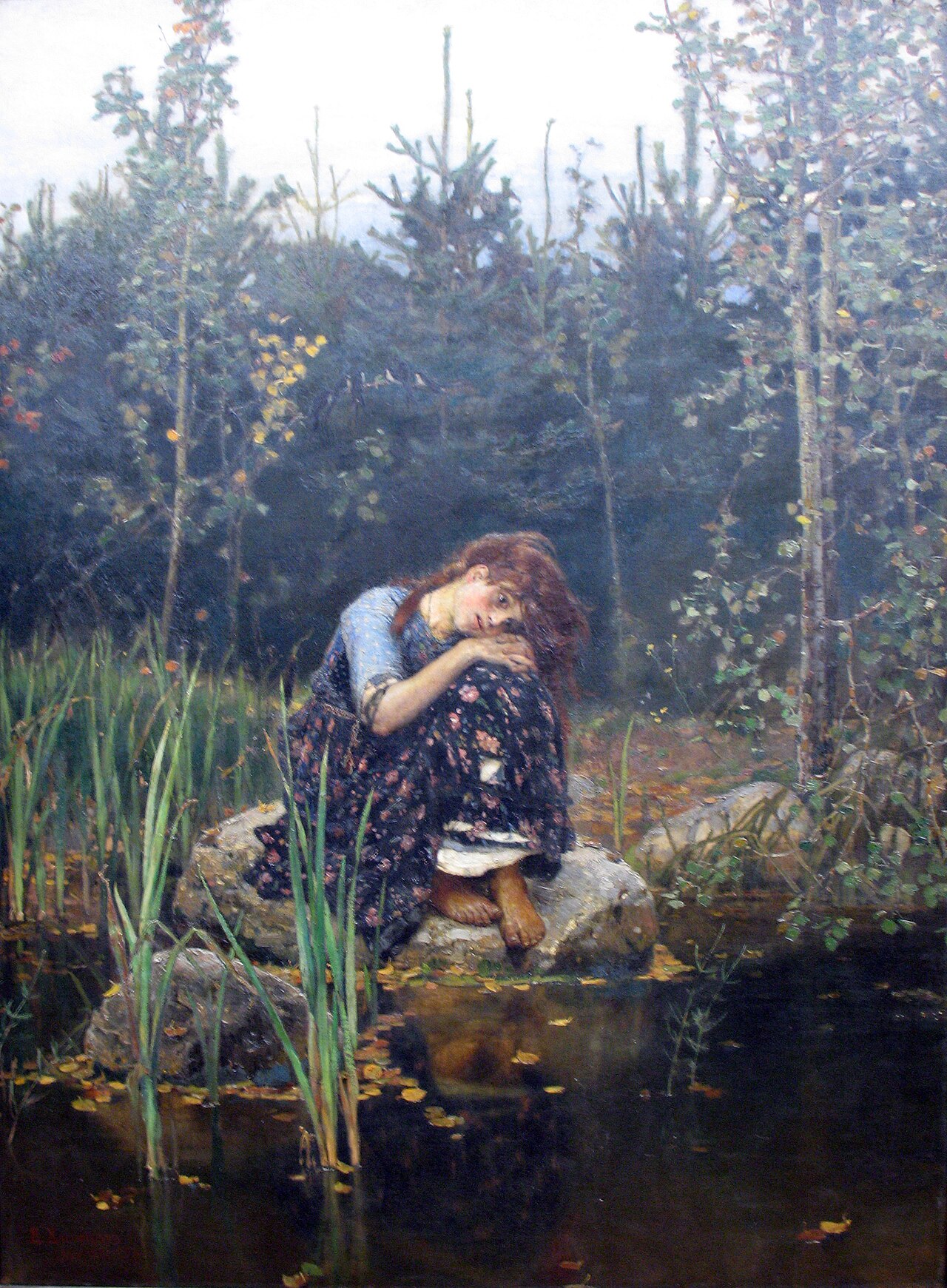
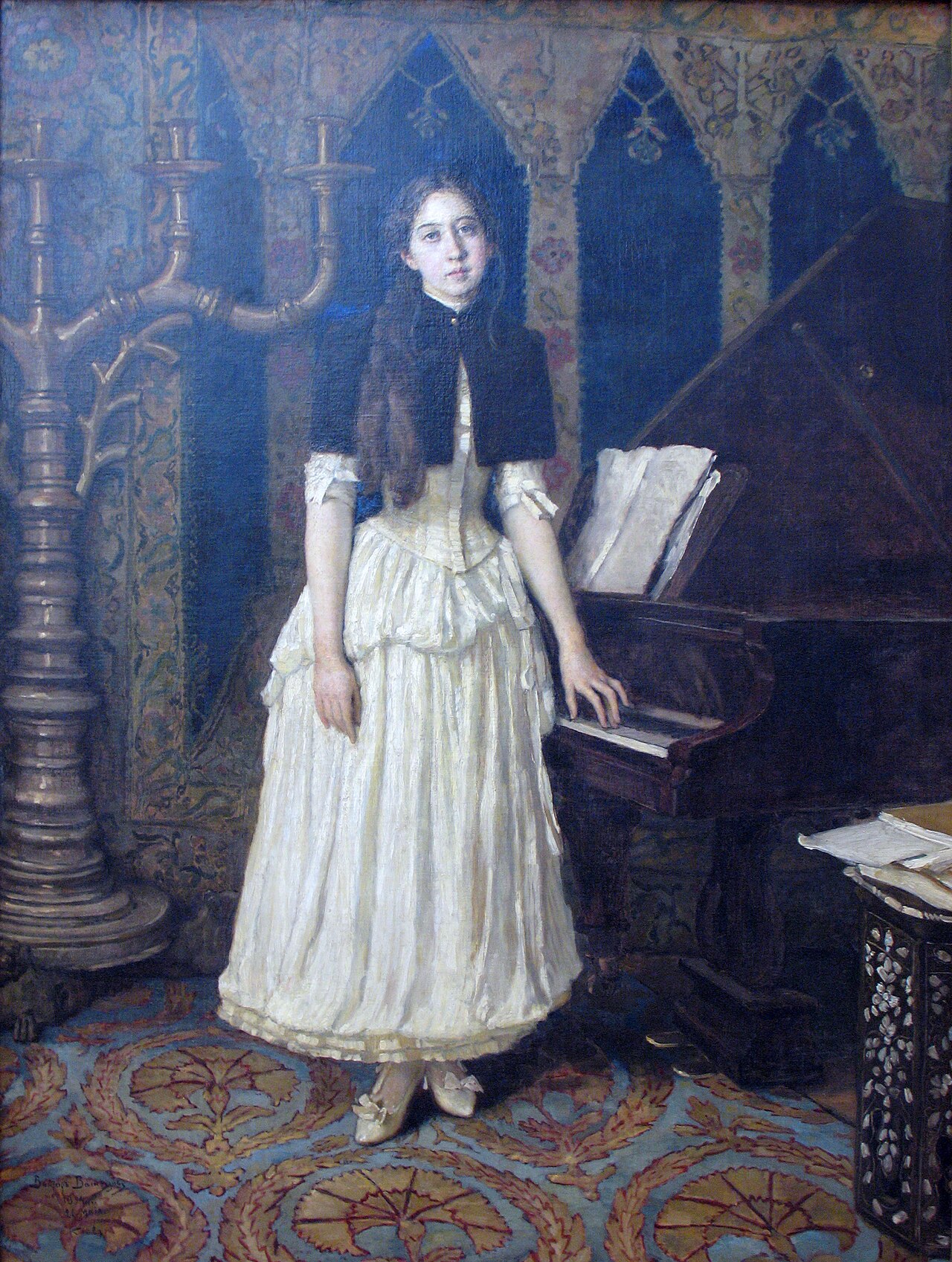
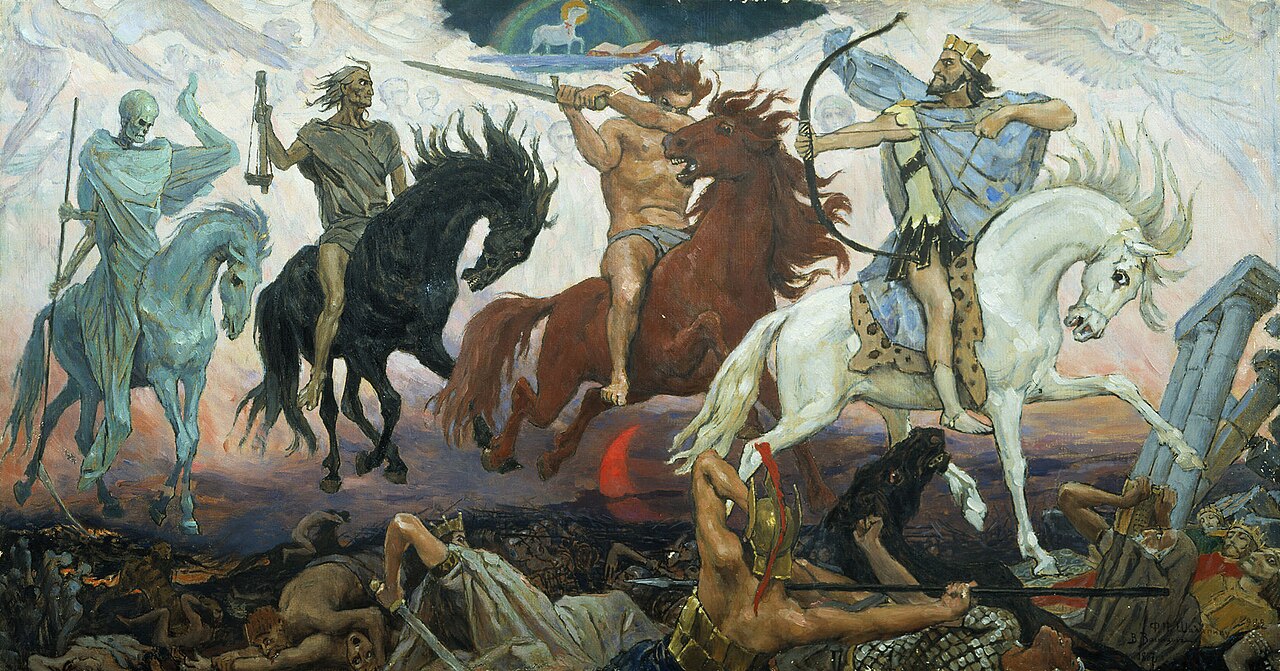
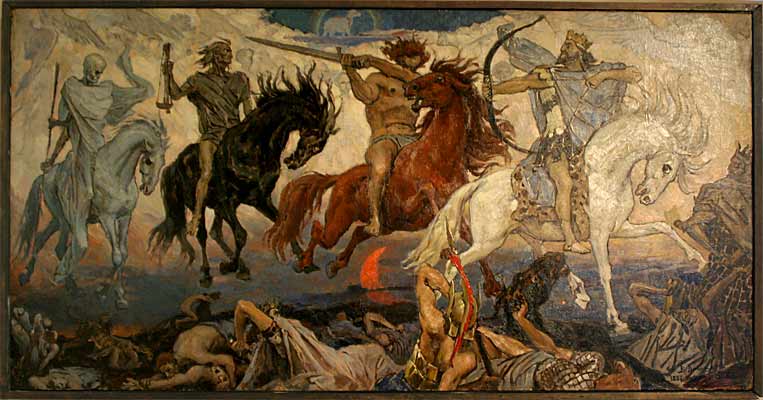
Frequently Asked Questions
Who is Viktor Vasnetsov?
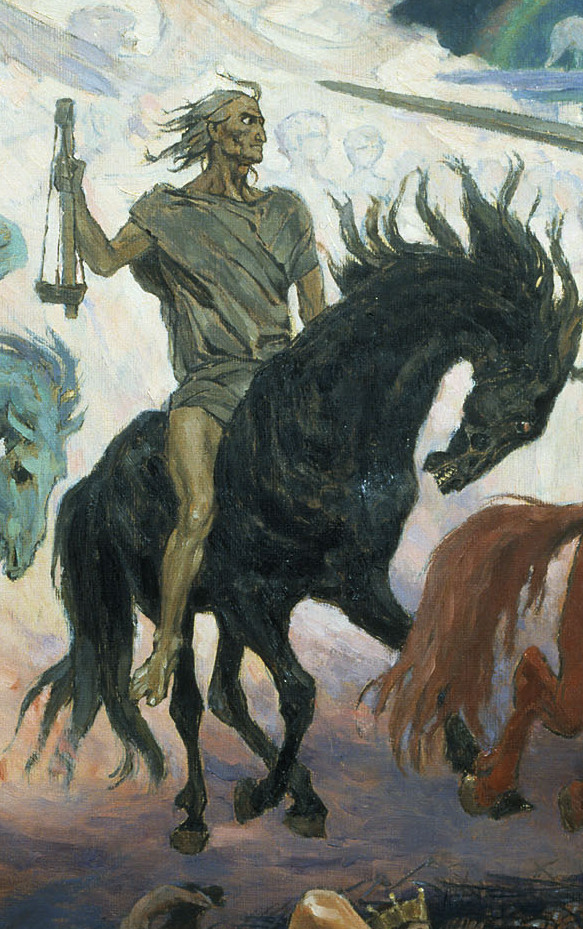
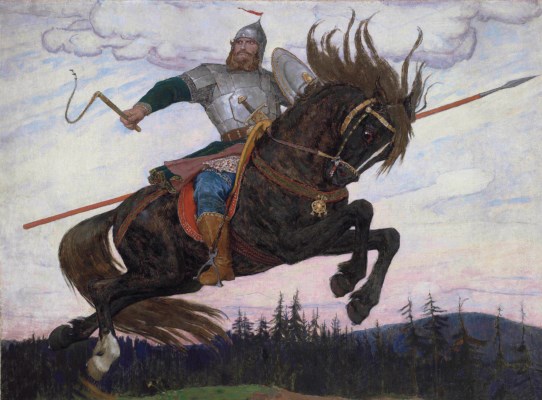
Viktor Vasnetsov was a Russian painter and draughtsman active from the late 19th century into the early 20th. He is widely recognized as a co-founder of Russian folklorist and romantic nationalistic painting.
What subjects did Viktor Vasnetsov specialize in?
His canvases focused primarily on mythological and historical themes drawn from Russian folklore and legend. This gave his work a distinctly nationalistic and romantic character.
What art movement is Viktor Vasnetsov associated with?
He is a key figure in the Russian Revivalist movement, which sought to celebrate and revive traditional Russian cultural imagery. He is also credited as a co-founder of the folklorist and romantic nationalistic painting tradition in Russia.
When and where was Viktor Vasnetsov born, and when did he die?
He was born on 15 May 1848 in Lopyal, Vyatka Governorate, and passed away on 23 July 1926 in Moscow. His career spanned the latter half of the 19th century into the early 20th.
Besides painting, what other fields did Viktor Vasnetsov work in?
In addition to painting and draughtsmanship, he contributed to architecture and stage design. This made him a remarkably versatile figure across Russian visual arts.
More in Painters & Visual Artists 1-23
Spotted an error? Know more?
This is a living reference — every entry is fact-audited, and reader corrections feed straight into our audit queue. Suggest an edit · See this site's audit record